What are some of the advantages and disadvantages to different yarn types?
Where do you start when picking a type of yarn fibre to knit with?
Here we give some advantages and disadvantages to different yarn types to assist you with your choice.
Sheep Wool
This is the probably the material you thought of immediately when considering the yarn to knit with.
Wool is the traditional choice, and is popular, especially for knitting jumpers.
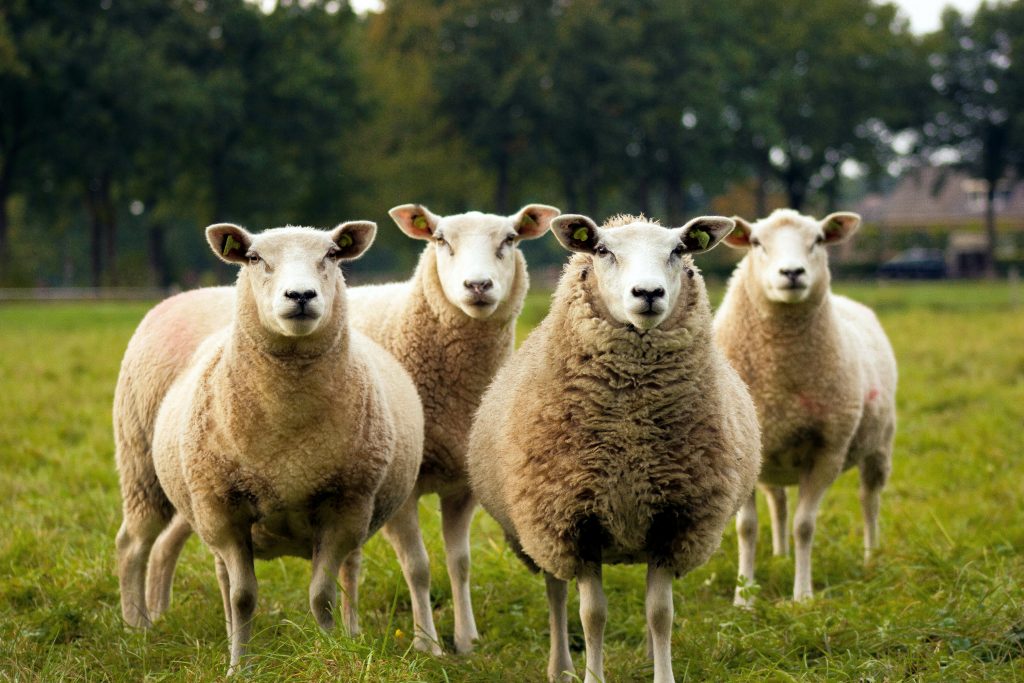
Wool is warm, cosy, absorbent and breathable, and also lasts a long time if you take good care of it. It’s also reasonably stretchy and has a good drape (how it hangs on the body).
Pros
- Wool is very flexible making it very durable and resistant to wear and tear
- Retains its shape and is resistant to wrinkling
- Perfect for beginners – It is patient and a pleasure to knit with, its elasticity makes it easier to control enabling you to knit with a more even tension
- Self insulating – Perfect to keep you warm in the cold and is also breathable for warmer weather
- Fire resistant – wool contains moisture in each fibre making it resistant to flames
- Water resistant – Wool can soak up 20% of its weight in moisture before it starts to soak through
Cons
- Wool carries lanolin which is what makes a sheep’s coat water resistant, a small portion of people can be allergic to this making it not suitable for them
- Some people are highly sensitive to the feeling of fibre on their skin so can find wool too scratchy for them
- Wool maintenance – Wool can be very sensitive to heat so can be a little more difficult to wash
- Tends to be a little more expensive
Alpaca
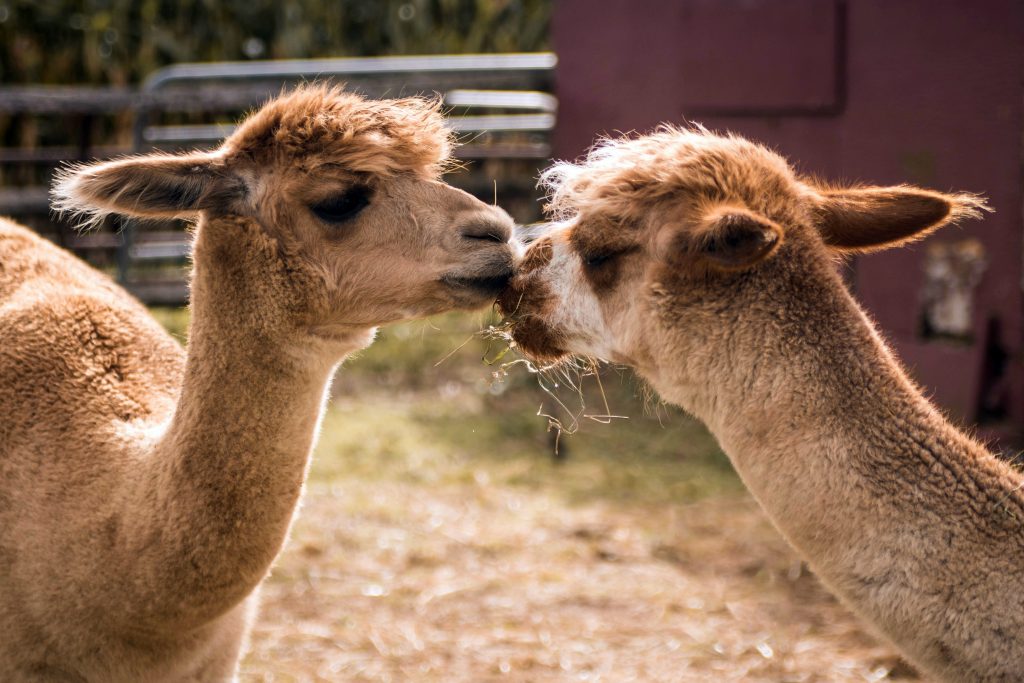
Yarn can also be made from the hair/fleece of other animals such as goats (Mohair and Cashmere yarn), rabbits (Angora yarn), and alpacas (Alpaca yarn). These are very soft yarns, but expensive – especially in their pure form.
Pros
- Perfect for sensitive skin – Alpaca is very soft, so much so that it is often mistaken for cashmere
- Skin allergies are not an issue since it contains no lanolin like sheep wool
- Alpaca wool is seven times stronger than sheep wool. It is so sturdy it is considered the most durable fibre of any mammal in existence
- The same air pockets that make the wool such a good insulator also makes it extremely lightweight to wear
- While alpacas do not produce lanolin, their wool is still highly waterproof. In laboratory testing, alpaca was shown to absorb no water
- Contains microscopic air pockets making it 3 times warmer than sheep wool, the same air pockets also give outstanding breathability for the summer
Cons
- The fibre of the alpaca can get fluffy and release fine, long, thin hairs that can cause irritation to the mouths or noses of babies
- Tends to be a little expensive
Acrylic
Compared to wool which is natural, Acrylic is a man-made material, and supplied either as 100% acrylic or as a ‘blend’ where acrylic is combined with another material such as wool.
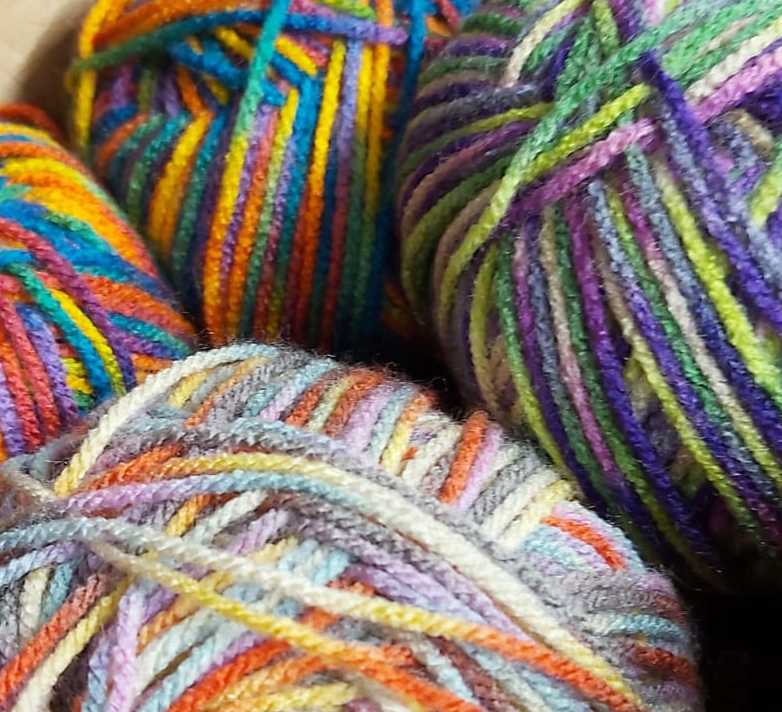
It’s usually the best value choice and good for beginners on a budget. It’s durable and reasonably warm (although not as warm as wool) and is easy to wash.
Pros
- Cheap and available in a huge range of colours
- Very durable making it perfect for projects that need an enduring yarn
- Warm – It may not be as warm as sheep wool but will still keep you cosy on a winters day
- Has a lower density than natural fibres so is perfect for larger makes without the added weight
- Hypoallergenic – The synthetic fibres that acrylic is made from is perfect for people allergic to lanolin
- Easy to clean – Acrylic is less sensitive than wool and can handle a round in the washing machine without shrinking or shedding
Cons
- Some find acrylic is not as soft as natural fibres however acrylic has come a long way and there are lots of very soft acrylic yarns now available
- Not suitable for projects exposed to extreme heat like a teapot holder
- Acrylic tends to hold more water than natural wools which may make it less suitable for rainy weather
As with all things, quality matters when choosing your yarn because some can be quite rough whilst others are soft.
There is quite a difference between the best quality and the worst.
Therefore, if you can go into a wool shop and feel the yarn before you buy it that would be the best way to find a yarn you like.